
EV Guide · Industry Trends
Batteries, charging, and software are moving together this year — here’s what’s actually changed for drivers, not just on paper.
Electric vehicles have moved well past the “experimental” phase. In 2026, the conversation isn’t just about whether EVs work — it’s about how fast batteries charge, how far they go on a single charge, and how much of the driving experience is now controlled by software rather than mechanical parts.
This shift touches four main areas: batteries, charging infrastructure, in-car software, and overall energy efficiency. If you’re new to how these vehicles work at a basic level, our guide on How Do Electric Cars Work? covers the fundamentals first.
Battery technology: smaller, denser, faster-charging
The biggest engineering push right now is squeezing more range out of smaller, lighter battery packs. Two developments are driving this:
- Higher energy density — newer cell chemistries store more power per kilogram, letting automakers shrink the battery pack or extend range without adding weight.
- Smarter battery management systems (BMS) — constantly tracking cell temperature, voltage, and charge state, which reduces degradation over time and lowers the risk of overheating during fast charging.
The practical result for owners: batteries that charge faster without wearing out as quickly, and warranties that increasingly reflect that confidence — many manufacturers now back batteries for 8 years or 100,000 miles.
New models hitting the market
Automakers aren’t just refreshing sedans anymore — 2026 has seen a noticeable push into compact SUVs and electric pickups, segments largely ignored by early EV makers. Common upgrades across new releases include:
- Larger center-console displays with simplified menus and fewer buried settings
- Driver-assist features that used to be reserved for luxury trims
- Over-the-air (OTA) software updates that fix bugs or add features without a dealership visit
That last point matters more than it sounds — a car bought in January can genuinely behave differently by December, purely through a software push.
Charging: faster, but still uneven
Charging speed has improved, but access is still the bigger story for most drivers.
- Home charging (Level 1/2) remains the most convenient option for daily use — plug in overnight, wake up to a full battery.
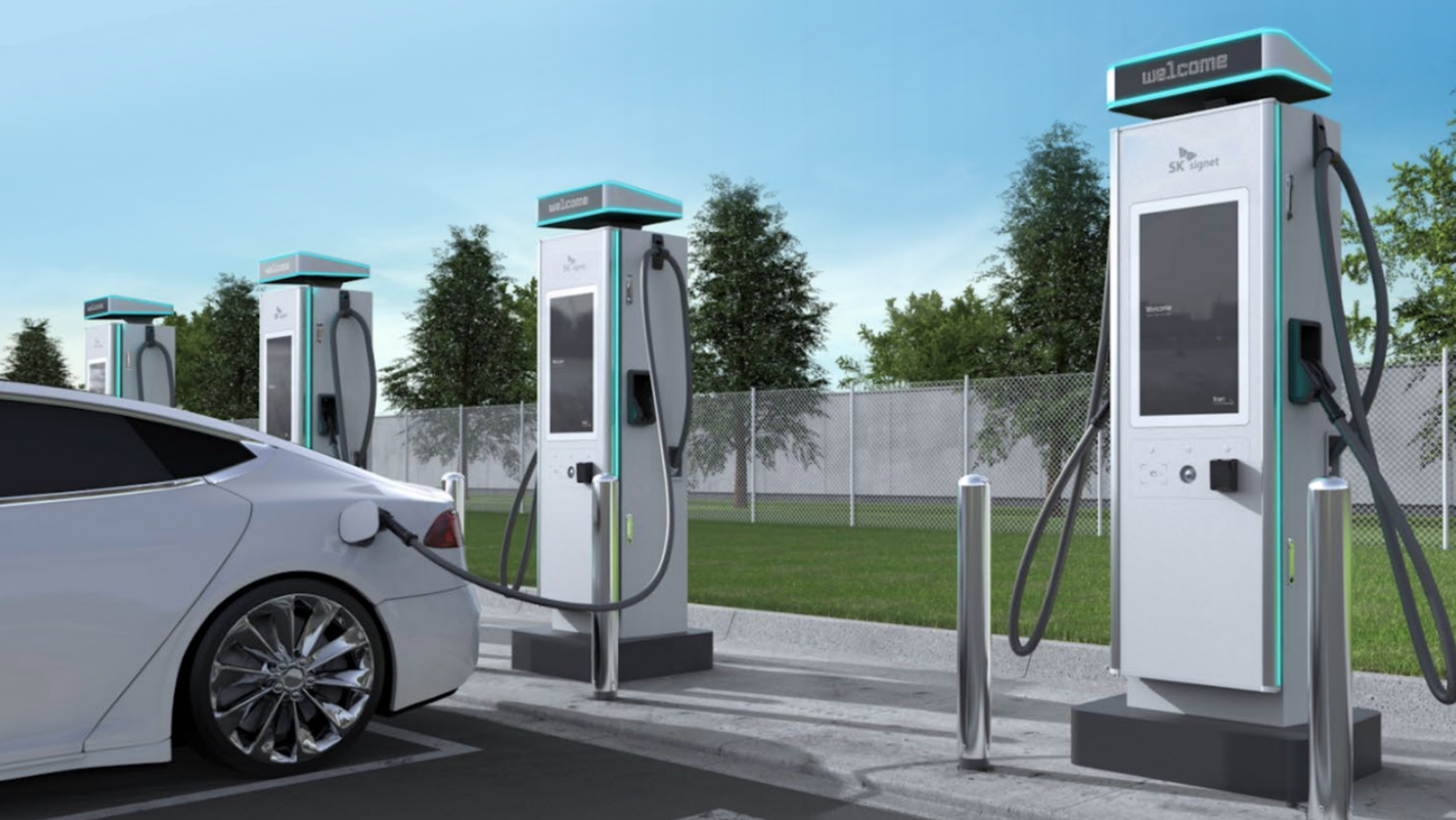
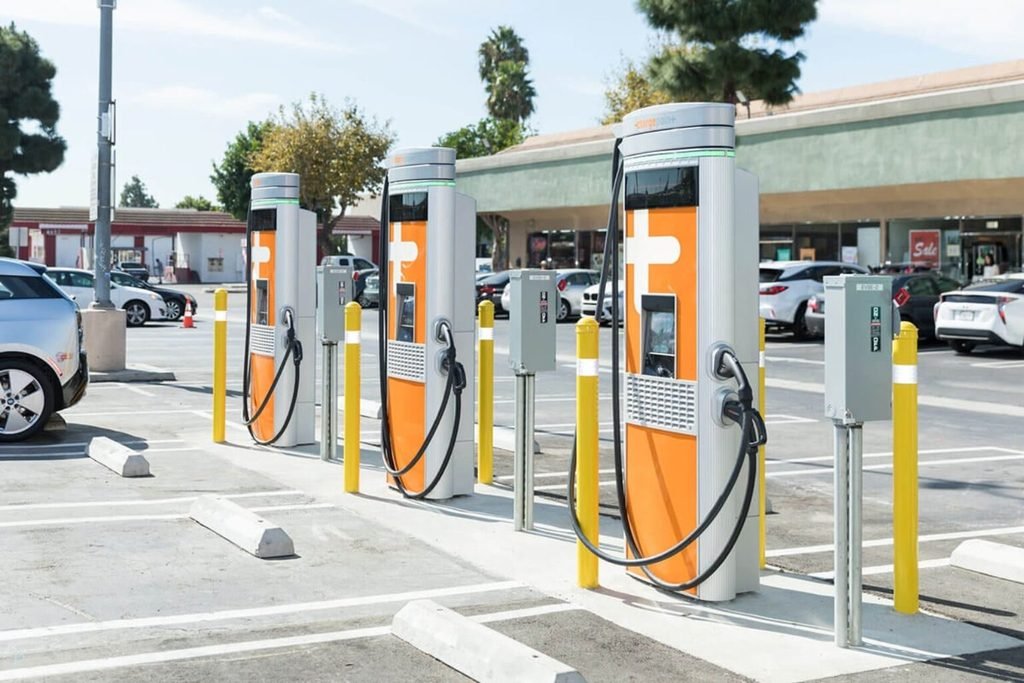
- DC fast charging stations can now add significant range in 20–30 minutes for many newer models, useful for road trips.
- Public network gaps are still the main pain point in many regions — availability varies a lot by location, which is why a home charging setup is worth planning before buying.
For deeper technical detail on charging equipment, the U.S. Department of Energy’s EV resources are a solid reference.
Software is now part of the driving experience
Modern EVs increasingly behave like connected devices on wheels. Through a companion app, most current models let owners:
- Check charge level and estimated range remotely
- Precondition the cabin — heat or cool it — before getting in
- Schedule charging times to take advantage of cheaper off-peak electricity rates
The trade-off is that software issues — a glitchy touchscreen, a delayed update — are now part of the ownership experience in a way they never were with gasoline cars.
Energy efficiency: what actually affects range
EVs are inherently efficient — electric motors convert a much higher share of stored energy into motion compared to a gasoline engine. But real-world range still swings based on:
- Cold weather — heating the cabin and battery in winter can cut range noticeably
- Highway speeds — aerodynamic drag increases sharply above roughly 65 mph
- Regenerative braking habits — drivers who anticipate stops and coast more recover more energy back into the battery
Knowing these factors helps set realistic expectations rather than relying only on the advertised EPA range number.
Where the market is headed
Competition between automakers is pushing prices down at the entry level while adding more range and features at the top end. That said, adoption still depends heavily on local factors — charging access in your area, electricity costs, and available incentives will matter more to your decision than any single new feature announced this year.
Conclusion
2026’s EV trends aren’t about one breakthrough — they’re about steady improvement across batteries, charging speed, software, and efficiency working together. For anyone shopping for an EV this year, the practical questions are still the same ones that mattered in past years: how will you charge it daily, what’s your typical driving range, and does the software experience fit how you actually use your car.