
Introduction
Charging an electric vehicle is one of the main running costs EV owners need to consider. Unlike a gasoline car, an EV uses electricity stored in its battery, so the amount you spend depends on factors such as your electricity rate, battery size, and how much energy your car needs.
Electric vehicle charging costs can vary depending on where you charge. Home charging, public charging stations, and faster charging options may all have different costs. Understanding these differences makes it easier to estimate your regular EV expenses and compare them with other vehicle running costs.
In this guide, we’ll look at the cost of charging an electric car at home and at public charging stations, how charging can affect your electricity bill, and the overall energy cost of EV ownership.
How Do Electric Cars Work? A Simple Guide for Beginners.
Electric Car Charging Costs at Home
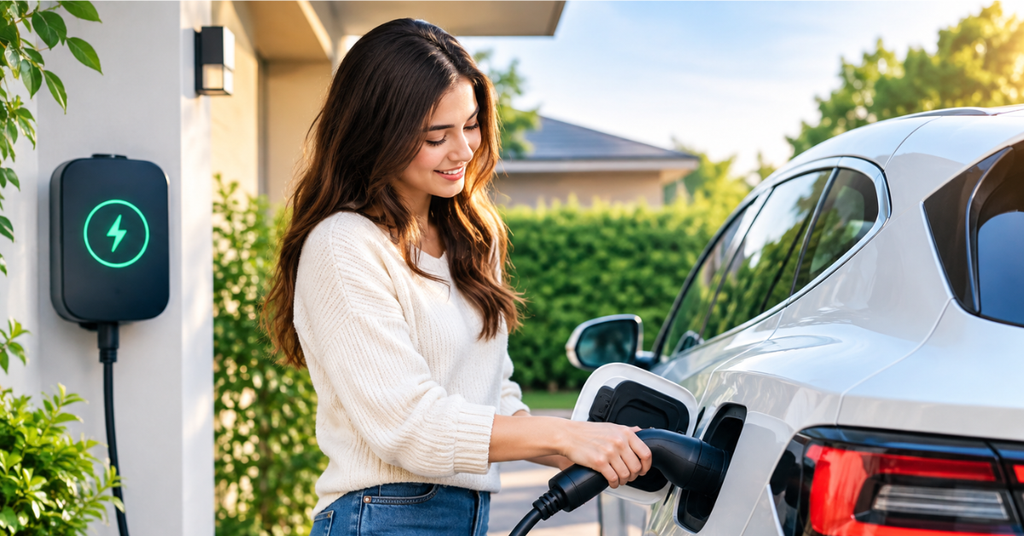
Home charging is often a convenient way to keep an electric car ready for everyday driving. Your home charging expense will vary based on two things: the electricity price in your area and how much power your EV uses. A larger battery generally requires more electricity to reach a full charge than a smaller one.
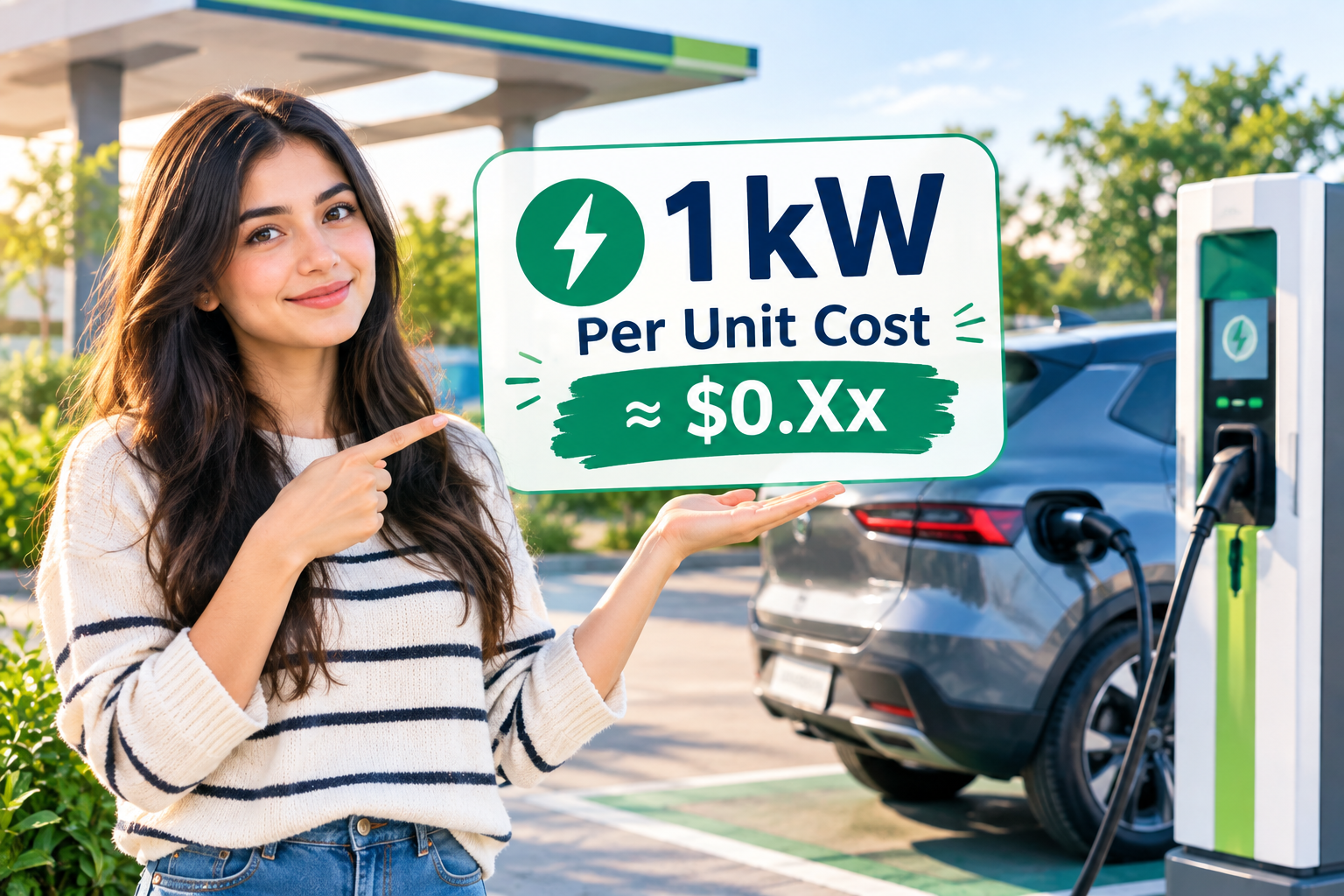
You can estimate the charging cost by multiplying the electricity price by the amount of energy added to the battery. For example, if your EV uses 40 kWh during a charging session and electricity costs $0.15 per kWh, the energy cost would be about $6.
Your actual cost may be slightly different because charging can involve some energy loss. The vehicle also may not need a full charge every time. If you usually recharge overnight and add only the energy used during your daily trips, you may spend less per charging session than the cost of filling the entire battery.
Home charging can therefore make EV energy expenses easier to track because you pay through your normal electricity bill.
Electric Car Charging Costs at Public Stations
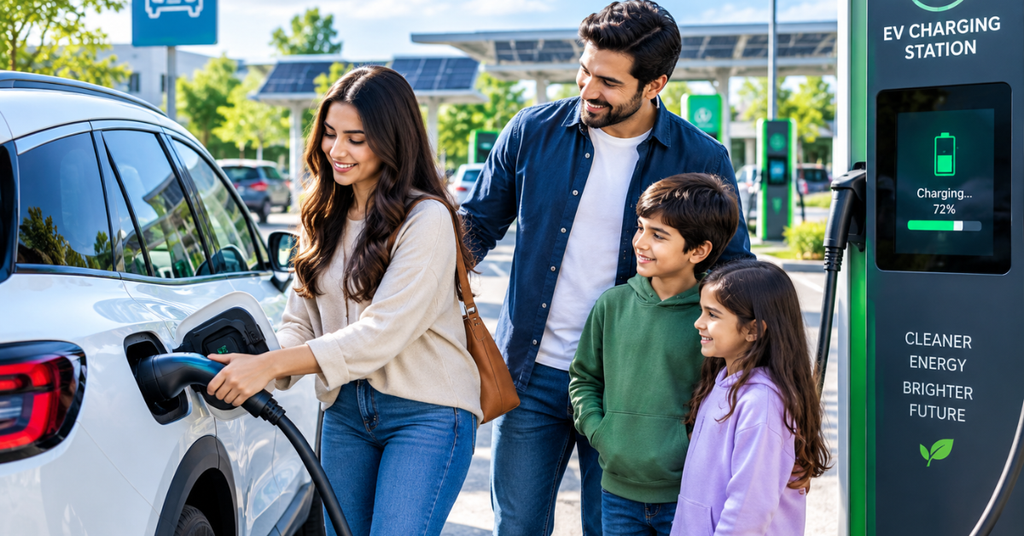
Although public chargers may have higher rates, they make it easier to recharge your EV while you are traveling or away from home. The price can vary depending on the charging network, location, charger type, and amount of electricity used.
Some public chargers charge drivers based on the amount of electricity they receive, while others may use a time-based fee or a combination of charges. Faster DC charging can also have a different price from slower public chargers.
The amount of electricity needed for each charging session can change your overall charging expense. A short charging session that adds a small amount of range will cost less than charging a nearly empty battery to a high level. Before starting a session, check the station’s pricing so you know what to expect.
For long trips, public charging can make EV travel more convenient because drivers can recharge without returning home. However, comparing available charging prices can help you manage your overall driving expenses. For more information about EV charging infrastructure, visit the U.S. Department of Energy’s Alternative Fuels Data Center.
How Electric Vehicle Charging Costs Affect Your Bill
Yes, charging an electric car at home can increase your electricity bill because the vehicle uses electricity that you would not normally consume. However, the extra amount depends on how often you drive, how much energy your EV uses, and your local electricity rate.
For example, someone who drives short distances may need to add less energy to the battery each week than a driver who travels long distances. Your charging habits also matter. Regular overnight charging can spread the added electricity use across your normal monthly consumption rather than requiring large charging sessions.
The best way to understand the impact is to look at how many kilowatt-hours your EV uses each month and multiply that amount by your electricity rate. This gives you a clearer idea of how much the car contributes to your monthly bill.
Electric Vehicle Charging Costs and Energy Use
Charging is only one part of the energy cost of owning an electric vehicle. Your total expense depends on how much you drive, how efficiently your EV uses electricity, and where you usually charge.
An EV that uses less electricity per mile can cost less to operate than a less efficient model, even if both vehicles have similar battery sizes. Tracking your EV’s home electricity use can make it easier to understand how much charging adds to your monthly power bill. Over time, comparing electricity use with your driving distance gives you a better picture of your EV’s energy costs. This approach can help you understand what you are actually spending to keep your electric car running.
FAQs
How much does it cost to charge an electric car at home?
The cost depends on your EV’s energy use and the electricity rate in your area. A larger charging session will generally cost more because it requires more electricity.
Is charging an electric car cheaper than using gasoline?
The answer depends on local electricity and fuel prices, vehicle efficiency, and driving habits. Comparing the energy cost per mile or kilometer can give you a clearer picture of the difference.
Does public EV charging cost more than home charging?
Public charging can cost more than home charging, although prices vary between charging networks and locations. Fast-charging stations may also use different pricing.
Will charging an EV increase my electricity bill?
Yes. If you charge your EV at home, your household will use additional electricity, which can increase the monthly bill. The actual increase depends on how much you drive and how often you charge.
The Bottom Line
The cost of charging an electric car depends on several factors, including your electricity rate, driving distance, battery size, and charging location. Home charging can be convenient for everyday use, while public charging stations provide flexibility when you are traveling.
Instead of looking at one charging session alone, consider your overall energy use throughout the month. Understanding these costs can help you estimate your EV expenses and make better decisions about when and where to charge.
1 thought on “Electric Vehicle Charging Costs: A Simple Guide”