
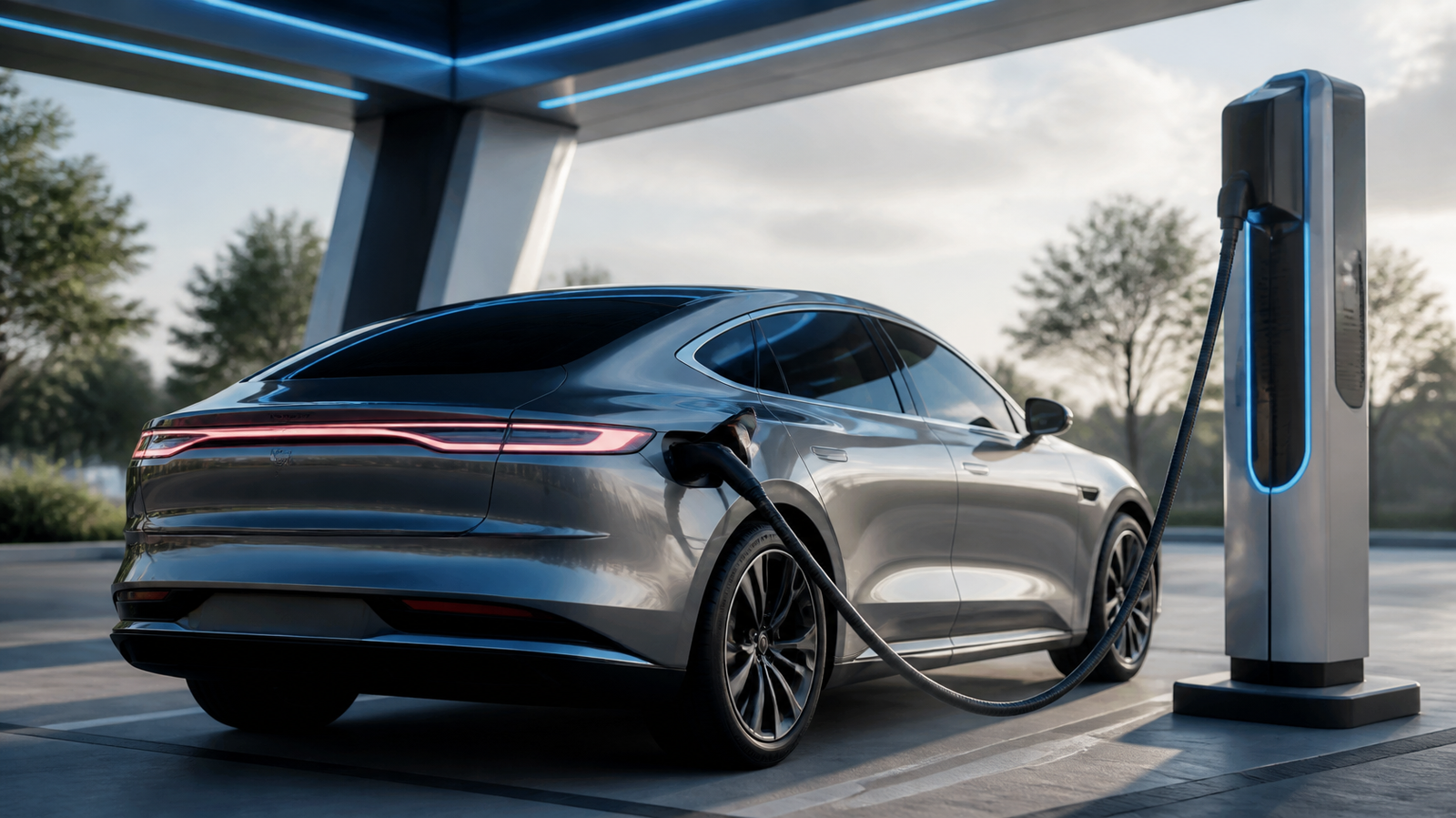
Electric vehicles are changing the way people think about driving, and Chinese automakers are playing an important role in this transformation. As battery technology and electric vehicle performance continue to advance, automakers are introducing faster charging solutions that allow drivers to spend less time waiting for their vehicles to recharge. Some of the latest systems aim to recharge compatible electric cars in minutes rather than the longer periods associated with conventional fast charging.
Brands such as BYD and Geely are attracting attention for their work on high-power charging systems and advanced batteries. These developments could make electric vehicles more convenient for daily commuting and long-distance travel. In this guide, we explore how ultra-fast charging works, which Chinese companies are advancing the technology, and what buyers should consider before choosing an electric car.
What Is Ultra-Fast EV Charging?
Ultra-fast charging refers to high-power charging systems designed to transfer electricity into an electric vehicle’s battery much faster than standard charging equipment. The process depends on several factors, including the charger’s power output, the vehicle’s electrical architecture, battery chemistry, and temperature.
Public charging stations often feature DC fast-charging systems, which can replenish an electric vehicle’s battery more quickly than conventional charging methods. Ultra-fast systems take this concept further by combining high-voltage electrical components, batteries engineered for rapid energy transfer, and sophisticated thermal management.
However, a charger’s maximum power rating does not guarantee that a vehicle will receive that amount throughout the charging session. Charging speed usually changes as the battery fills, particularly at higher states of charge.
BYD: Advancing Flash Charging Technology
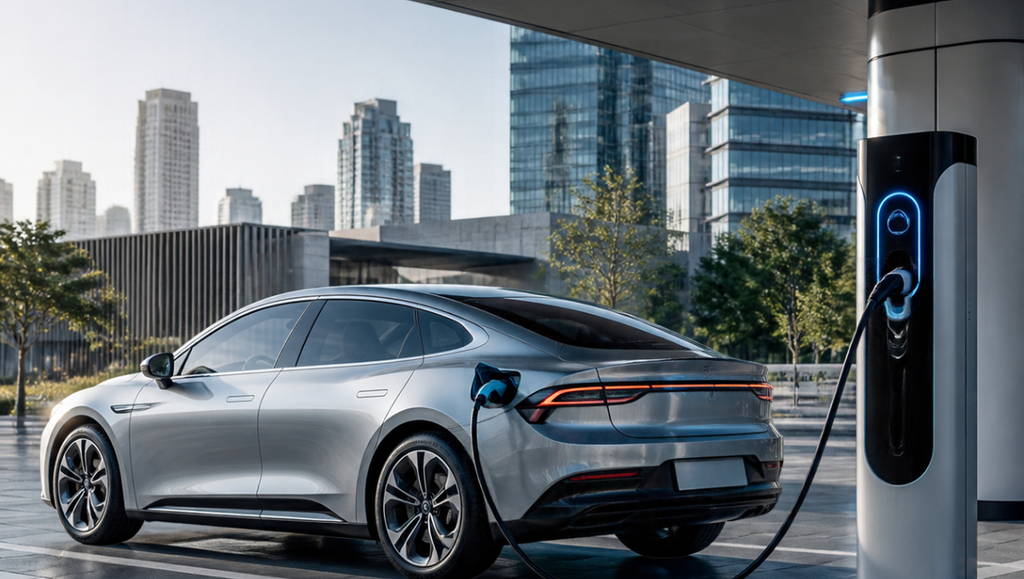
BYD is one of China’s major electric vehicle manufacturers and has introduced new technologies intended to make charging significantly quicker. In March 2025, the company announced its Super e-Platform, featuring a 1,000-volt architecture and a claimed peak charging power of 1,000 kW for compatible vehicles.
According to BYD, vehicles equipped with this platform can gain approximately 400 kilometres of driving range from five minutes of charging under suitable conditions. The technology was initially announced for models including the Han L sedan and Tang L SUV in China.
In March 2026, BYD announced its second-generation Blade Battery alongside FLASH Charging technology. The company stated that compatible vehicles could charge from 10% to 70% in five minutes and reach 97% in nine minutes under its stated testing conditions.
These figures represent manufacturer claims rather than guaranteed charging times for every vehicle or location. For official details, visit BYD’s announcement of FLASH Charging technology.
Geely and Other Chinese EV Innovations
Geely is another Chinese automaker investing in faster electric vehicle charging. The company and other industry participants are working to reduce charging times through improvements in battery design, charging equipment, and energy management.
In September 2026, reporting by Reuters described a growing competition among Chinese manufacturers, including Geely and BYD, to develop systems capable of charging compatible batteries in only a few minutes. The report also highlighted the engineering challenges involved in managing heat, battery durability, and the electricity demands of powerful charging equipment.
These developments show that the competition is no longer focused only on driving range. Charging convenience is becoming another important factor for customers comparing electric vehicles.
Read more in this Reuters report on China’s fast-charging EV technology race.
Key Benefits of Ultra-Fast Charging
1. Less Time at Charging Stations
A major benefit of this technology is that drivers can recharge their vehicles in less time and get back on the road sooner. Drivers on long journeys may spend less time waiting when their vehicle supports ultra-fast charging and a compatible station is available.
2. More Convenient Long-Distance Travel
With quicker battery replenishment, electric cars can become a more convenient option for drivers planning extended journeys. Instead of planning lengthy breaks around charging, drivers may be able to recharge during a short stop. Actual journey times will still depend on the route, charger locations, traffic, and weather.
3. Improved Everyday Usability
For busy drivers, reduced charging time can make an EV easier to fit into a daily routine. However, many owners who can charge at home may rarely need the fastest public chargers for everyday journeys.
4. Continued Battery Technology Improvements
Developing high-speed charging requires progress in battery materials, cooling systems, electrical components, and charging software. These innovations may contribute to better overall EV performance, although charging speed alone does not determine battery quality or long-term reliability.
Challenges Buyers Should Understand
Despite its advantages, ultra-fast charging still faces several obstacles. First, not every electric vehicle can accept extremely high charging power. A car connected to a powerful charger will charge according to its own capabilities and the conditions at the time.
Second, charging infrastructure must keep pace with vehicle technology. High-power stations require suitable electrical connections, carefully designed cooling systems, and substantial investment. If compatible stations are unavailable, drivers cannot benefit fully from the vehicle’s maximum charging speed.
Battery temperature is another important consideration. Low temperatures may slow down the charging process, whereas rapid charging requires effective cooling systems to keep the battery within a safe operating temperature. Manufacturers must balance fast energy transfer with safety and long-term battery health.
Buyers should also compare vehicle price, driving range, warranty coverage, charging compatibility, and local service support instead of choosing a model based on a single charging-speed figure.
How Ultra-Fast Charging Is Transforming Electric Vehicles
Ultra-fast charging technology could make electric vehicles more convenient for everyday driving and long-distance travel. Its effectiveness depends on the availability of compatible charging stations, a reliable power supply, proper maintenance, and vehicles designed to support high-speed charging.
Before buying an electric vehicle, drivers should check its charging compatibility and identify suitable public charging stations along their usual routes. For many owners, home charging offers a convenient way to recharge overnight, while public DC fast chargers provide an additional option during longer journeys. Choosing an EV with suitable charging capabilities and access to reliable infrastructure can help drivers enjoy a smoother ownership experience.
Readers can explore more electric vehicle guides and automotive technology updates on My EV Car Guide.
Final Thoughts
Chinese automakers are pushing electric vehicle charging technology forward through high-voltage platforms, advanced batteries, and increasingly powerful charging equipment. BYD and Geely are among the companies competing to make charging faster and long-distance EV travel more convenient.
Nevertheless, advertised charging times are only part of the picture. Charger availability, vehicle compatibility, battery temperature, and real-world driving conditions all influence the experience. For buyers, the best electric car is one that combines suitable charging performance with dependable range, safety, value, and access to a practical charging network.